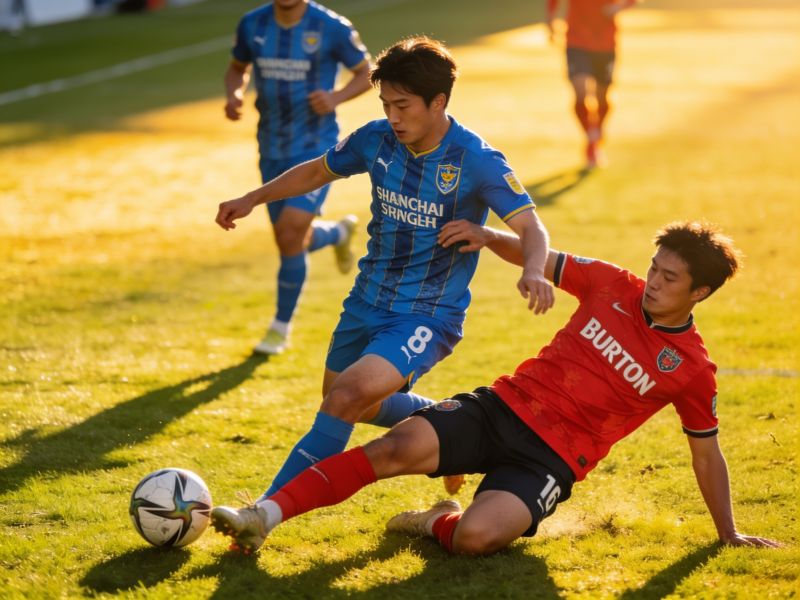
he 67th minute of a testimonial match player’s farewell game at a packed Riverside Stadium—the scoreline irrelevant, the tackles half-hearted—still tells you more about a footballer’s standing than any trophy count. I watched a 38-year-old midfielder, once capped 42 times, jog through the motions for 45 minutes before being substituted to a standing ovation. His every touch was applauded, his opponents rarely pressed him。and the referee smiled at a late, theatrical dive. That testimonial match player, as much as any competitive fixture, defines the awkward space between sport and tribute. It’s not football;it’s a public negotiation of legacy.Clubs rarely schedule these events without a commercial subtext. Ticket sales, merchandise stalls, and local TV rights often offset a testimonial match player’s testimonial fund—a tradition dating to an era when players earned modest wages and a benefit match was a financial lifeline. Today, with Premier League salaries exceeding £60。

000 a week, the testimonial’s original purpose feels quaint. Yet the format persists. I spoke to a League One club secretary who admitted their last testimonial generated £180,000, split between the player’s chosen charity and the club’s academy. “We call it a celebration” she said, “but the spreadsheet doesn’t lie” Still, the emotional currency matters. A testimonial match player who donates the proceeds earns a different kind of loyalty from fans than one who pockets the cash.Choosing which testimonial match player gets the nod is a delicate art. Criteria are rarely published: ten years’ service, international caps, a clean disciplinary record, and—crucially—popularity with the terraces. I’ve seen a goalkeeper with 300 appearances snubbed because he once criticised the board. Conversely。a cult hero with half that tally received a testimonial after a viral charity campaign. The testimonial match player selection process reveals more about club politics than any AGM. Managers often field a mix of current squad members and former teammates, creating bizarre mismatches—a 24-year-old sprinting past a retired centre-back who now runs a pub in Devon. The lack of competitive edge is the point, yet spectators still cheer tackles and groan at missed penalties.From a player’s perspective, a testimonial match offers a rare public rehearsal for retirement. A former striker told me his testimonial felt like “attending my own funeral。only warmer” He walked out with his children, waved to the Kop, and realised his knees couldn’t manage a second-half cameo. The testimonial match player experience can be emotionally raw—lifting the curtain on decline while celebrating contribution. Some handle it gracefully, using the platform to launch coaching careers or charity foundations. Others cling on, playing until 40 in lower leagues, chasing that one last ovation. The match itself is scripted, but the emotions rarely are.
Modern football’s obsession with data and commercial optimisation has eroded the testimonial’s romance. Fewer clubs grant them now;some opt for a “legends match” instead, involving multiple ex-players and a festival atmosphere. Still, when a genuine testimonial match player takes the pitch—say, a one-club servant like Mark Noble or Seamus Coleman—the old ritual retains its power. Fans sing louder. Opponents applaud goals. For 90 minutes, results don’t matter. That’s the strange。
sentimental contract: a testimonial match player trades competitive edge for communal gratitude, and everyone in the stadium willingly signs it.